Hi, this is Gergely with a bonus, free issue of the Pragmatic Engineer Newsletter. In every issue, I cover Big Tech and startups through the lens of senior engineers and engineering leaders. Today, we cover one out of four topics from last week’s issue of The Pulse. Full subscribers received the article below seven days ago. If you’ve been forwarded this email, you can subscribe here.
When I visited Ramp’s headquarters last month in New York, I talked with the four-person development team behind ‘Glass,’ which is Ramp’s “internal Lovable.” This name refers to Lovable.dev, the leading AI vibe-coding tool.
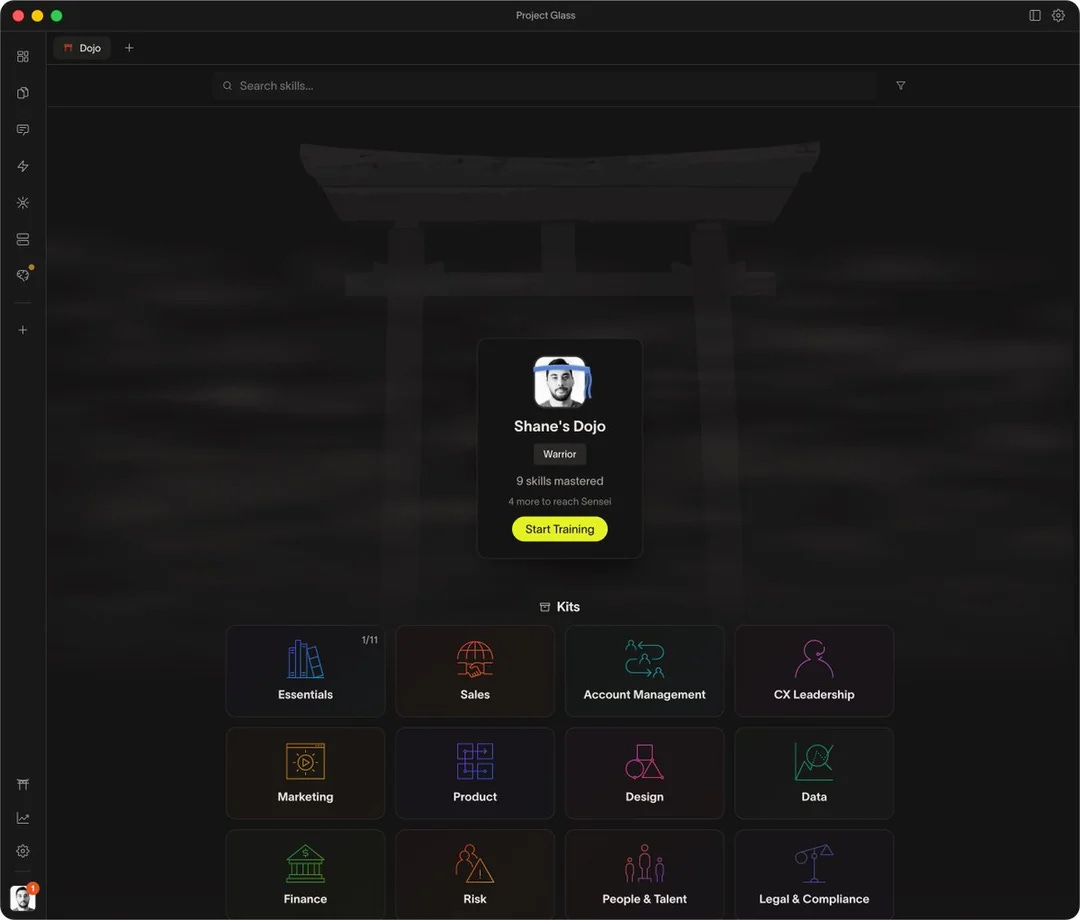
Ramp’s ‘Glass’ is basically a vibe-coding platform for non-engineers to create complex applications which run internally. They can share the applications they make with others to use and modify. This is what the landing page looks like:
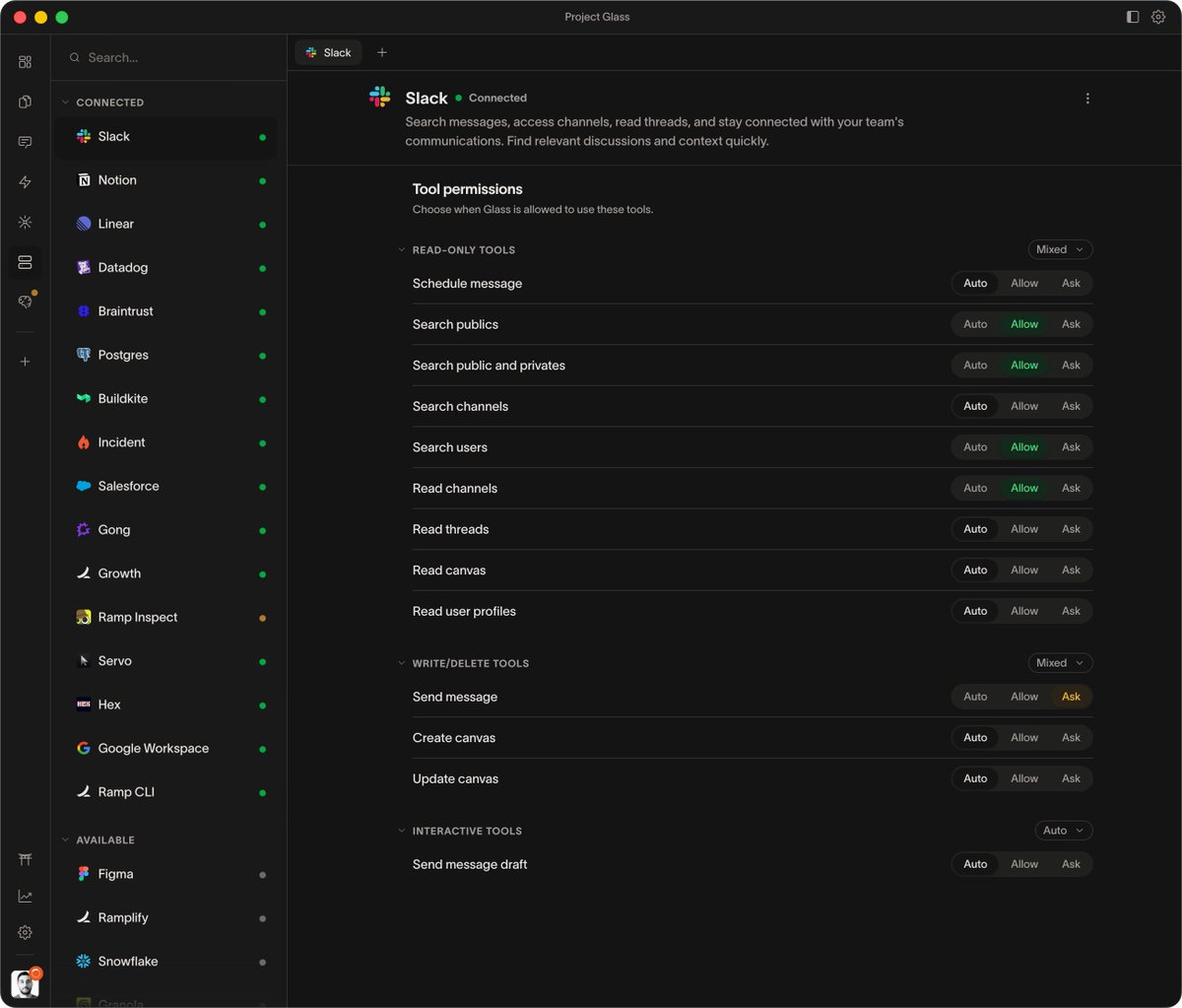
Users can connect various internal systems as “connectors” that can then be used as data sources for their apps:
The team showed me a few popular apps, including a custom CRM built by someone in marketing, which had 50+ fields and filters on-screen. It seemed overwhelming to me, but the creator reportedly finds it extremely powerful to use.
Since then, I’ve learned that many other mid-sized-and-above companies are building similar “internal Lovables” that don’t usually see the light of day in the outside world.
As of today, Ramp has launched Glass as an external product, describing it as "An AI workspace where knowledge compounds." It's interesting to see Ramp productionizing a formerly internal-only tool!
Stripe’s “internal Lovable”, Harbor
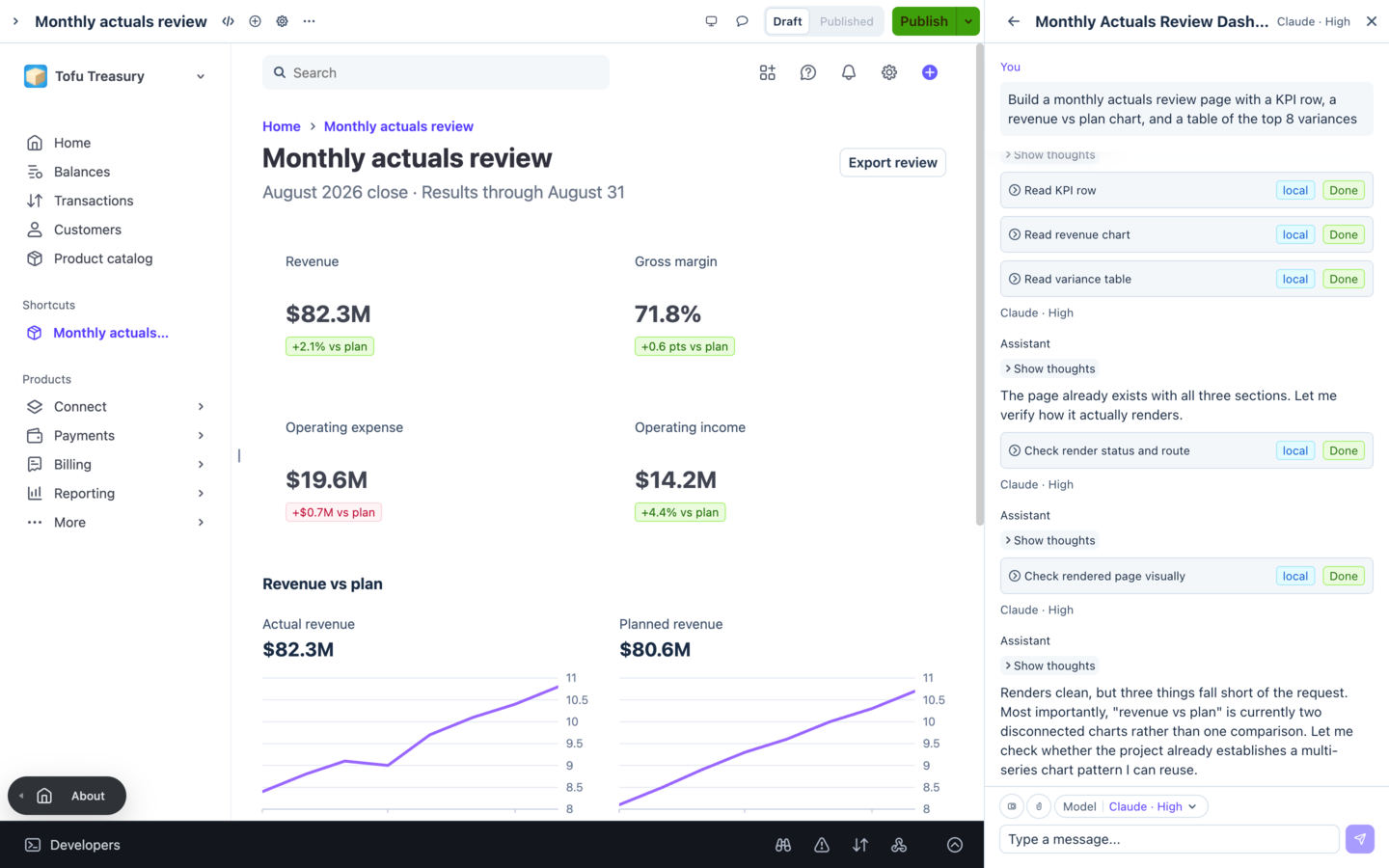
Stripe shared details last month about its own vibe-coding tool (my words) that they refer to more elegantly as an “AI-assisted prototyping tool” called ‘Harbor’. It was built by a single engineer in around six weeks. Here’s an example of a prototype built with Harbor:
Why build your own internal “prototyping tool?”
Lovable, Replit, Retool, and other vendors specializing in prototyping and building internal tools already exist, so what’s the point in bothering to build your own? Here are the main reasons I’ve gathered:
- A tiny investment. Stripe had a single engineer build Harbor v1, and Ramp had two engineers put it together in a matter of weeks. For companies with hundreds of engineers or more, this is a very reasonable time/effort investment.
- Expose internal data to be used. Because the tool produces internal-facing prototypes/tools, it’s a lot safer to expose internal data sources to it. Doing the same with third-party tools like Lovable or Replit would be risky.
- Use the existing design library. Both Ramp and Stripe paid special attention to ensuring that the apps generated do follow internal design guidelines. Third-party apps are not great at this, out of the box.
- Onboard most non-engineers, when done right. Ramp’s Glass project is extremely widespread, to the point that onboarding to Glass and creating a simple tool is now part of new hire onboarding. Pretty much every non-engineer uses Glass to build their own tools.
- Don’t wait on vendors to build what’s needed. Why spend time and effort on tailoring a vendor solution which is straightforward enough to build? It would probably be a comparable effort to select the right vendor to go with, in terms of compliance reviews and price negotiations.
- It’s educational and helps engineers to upskill. Engineers building these tools get better at building and maintaining AI infra at a time when recruiting engineers who are experts at AI infra is hard enough. Internal Lovables are a way to train more devs in-house by investing a few weeks in putting a solution together.
Among tech companies that have built their own coding agent harness that runs in their cloud, I expect many to build internal vibe-coding tools for non-engineers like Stripe and Ramp have done. After all, it’s not that complicated, gets much higher adoption than vendor products, and helps build out more AI infra expertise in-house.
Read the full issue of The Pulse this is from, or check out this week’s The Pulse. This week’s issue covers:
- OpenAI software engineer accused of spying. A software engineer working on OpenAI’s Agents SDK has been arrested after allegedly planting a secret audio recording device in a meeting room at the AI company. The FBI and US Department of Justice are involved. The details read like the plot for an espionage movie.
- Anthropic builds its own source control system. Git had too many performance problems at 30,000 PRs per day, so Anthropic built its own. I talked with the team, including asking why they didn’t open source its new system, ‘Scion.’
- New trend: AI-coding rounds in Big Tech? Meta and Google are adding an additional “AI-assisted” coding round to the interview loop. From a hiring manager’s perspective this sounds sensible, and I bet other places will follow – or have already done.
- Industry Pulse. An observation that college students are not always so “AI-native”, Netflix lets go 6% of staff, a16z disbands recruitment team, Satya Nadella warns against trusting AI models (and frontier labs), and Meta’s new state-of-the-art ‘Muse Wonder’ model.
Subscribe to my weekly newsletter to get articles like this in your inbox. It's a pretty good read - and the #1 software engineering newsletter on Substack.